
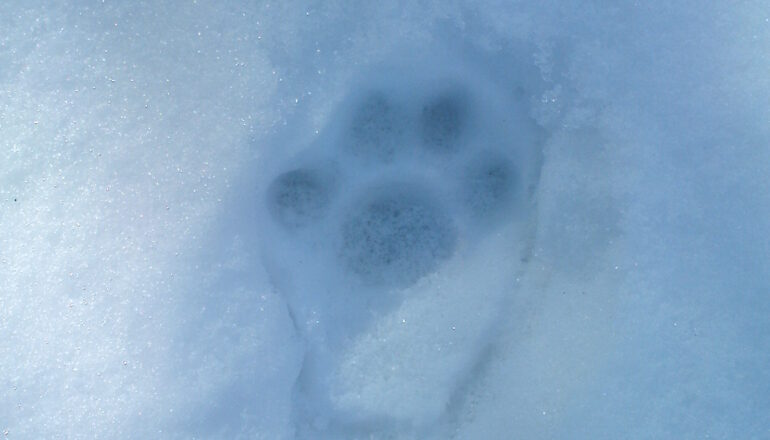
This winter, snow conditions in Estonia have been favourable, offering excellent opportunities to study animal behavior through tracks in the snow. At the same time, this provides valuable early insight ahead of the upcoming Eurasian lynx watching and tracking tours season. In this blog post, we will be collecting some of our most interesting recent observations.
28–29 January 2026 – Matsalu National Park – typical lynx behavior
Together with colleagues, we spent two days in Matsalu National Park, observing lynx behaviour and mapping their movement routes. Western Estonia had received only 1–2 cm of snow in the previous weeks, creating perfect conditions for tracking: animal tracks were exceptionally visible.
The snow revealed tracks of roe deer, hares, foxes, moose, wild boar, European polecats, raccoon dogs, various small rodents, as well as golden jackals and wolves. We also found numerous Eurasian lynx trackways, allowing us to study their movement patterns in detail.
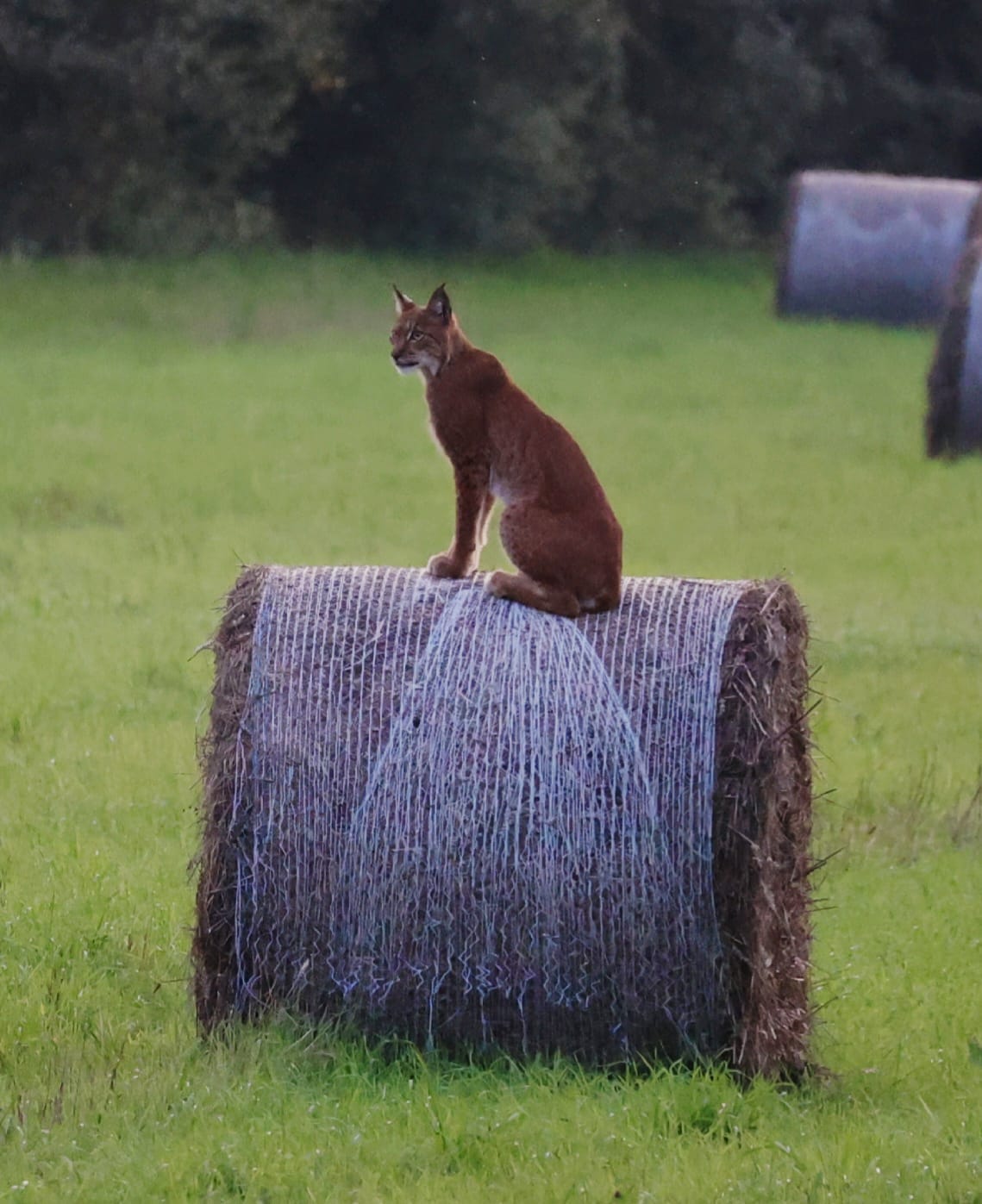
These were two highly rewarding and informative days. The most fascinating aspect was once again observing the distinctly feline behaviour of lynx through their tracks. Like other cats, lynx favour elevated vantage points that allow them to survey their surroundings. Estonia is a largely flat country, but lynx have adapted well to this landscape.
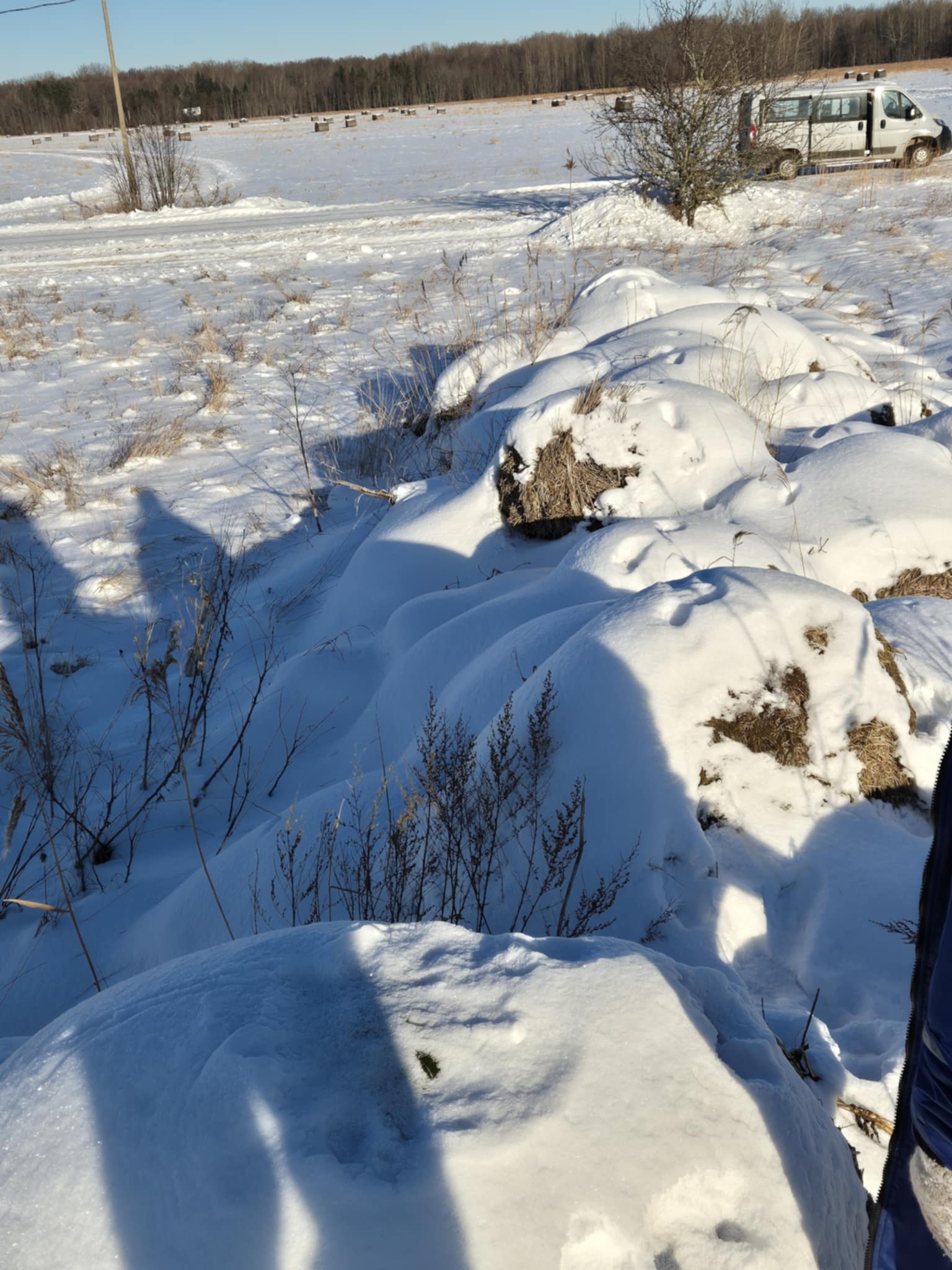
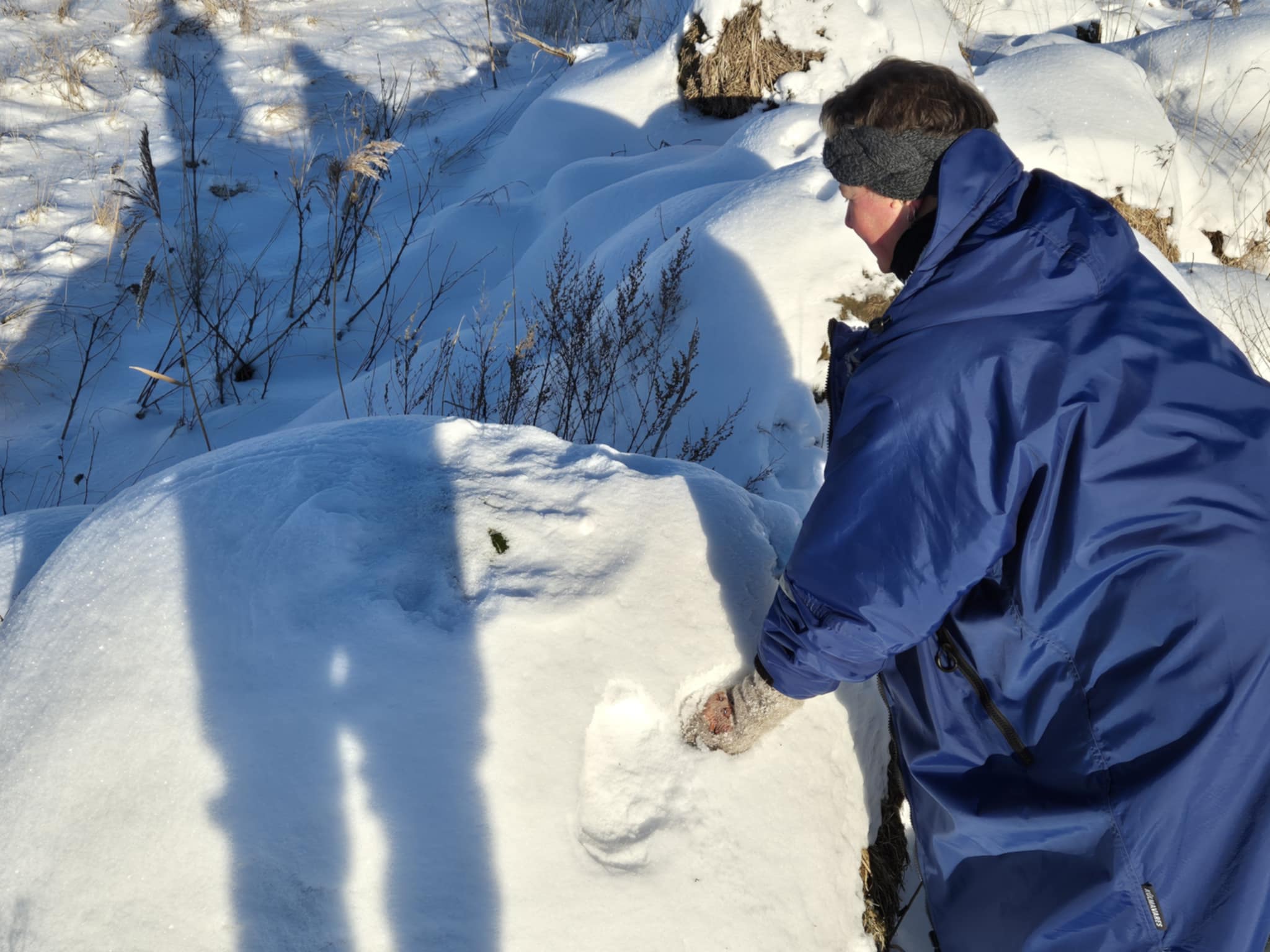
Hay bales are typically left in fields during winter and fed directly to livestock, and stones cleared from fields are piled into small heaps. In an otherwise flat environment, these features form small artificial elevations, which lynx frequently use as observation points. During our lynx watching and tracking tours in Estonia, this is often exactly where we locate them.
In the tracks shown here, it is clearly visible how a lynx walked along a line of hay bales and spent a longer time sitting on top of one bale, observing the surrounding area.
23 January 2026 – Lahemaa National Park – Eurasian lynx are already preparing for the mating season.
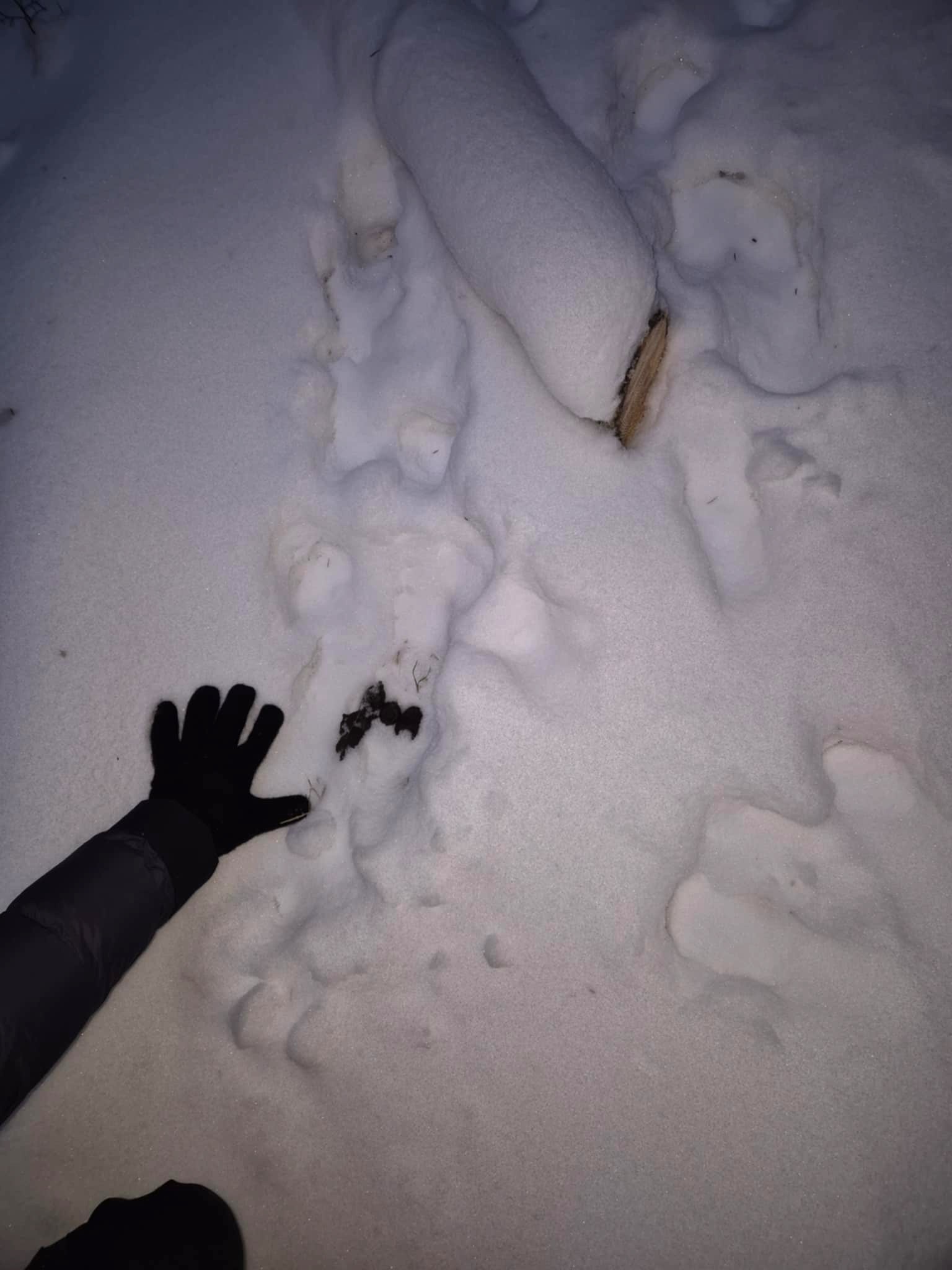
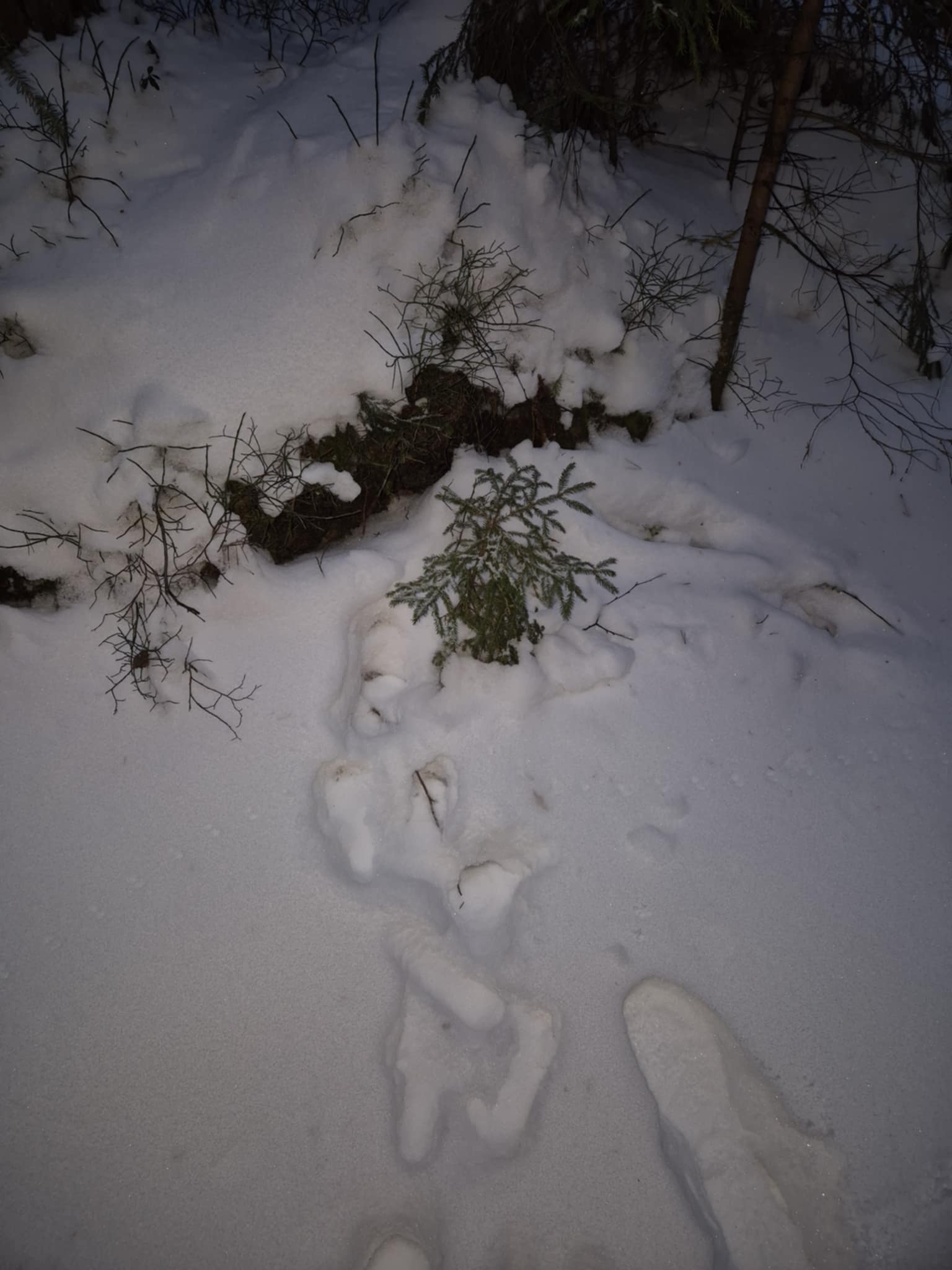
Yesterday, together with a colleague, we went on a lynx tracking snowshoe walk in Lahemaa National Park, one of the best areas for Eurasian lynx watching tours in Europe. During the walk, we found fresh tracks of roe deer, moose (elk), wild boar, pine martens, polecats, three different wolves and many other forest animals. However, the most fascinating discovery was the movement pattern of a male Eurasian lynx.
From the tracks it was clear that the lynx had been actively sniffing and scent-marking tree stumps, hummocks, broken branches and other prominent objects in the landscape. After following his trail for some distance, we also found his droppings. Lynx, like most cats, usually hide their droppings, so encountering them openly is rare. Such visible signs strongly indicate active territorial marking by a male lynx, signalling the approach of the mating season.
The Eurasian lynx mating season peaks in March, and this is also the time when lynx are easier to observe and track than during the rest of the year. For this reason, March is considered the best period for lynx watching and lynx tracking in Estonia, and it is exactly why we schedule our Eurasian lynx tours in Europe for this time.
Two of our Estonia lynx tours are already fully booked, but there are still a few places available on our Eurasian Lynx Wildlife Tour starting on 16 March: