
Our Commitment to Estonia’s Wild Nature
Nature is the foundation of everything we do. Since 2008, NaTourEst has been developing wildlife and nature tourism in Estonia, while contributing to the protection of the landscapes, habitats and species that make our country special.
Our involvement in nature conservation takes many forms – from protecting forests and maintaining valuable habitats to supporting wildlife research, participating in national conservation initiatives and developing responsible nature tourism.
For us, conservation is not a separate activity. It is an integral part of our relationship with nature and the way we believe rural economies can develop.
Our Conservation Highlights
- 110 hectares of forest protected – Alutaguse Bear Forest Project
- Hands-on conservation since 2002 – conservation work on the small islands of Hiiumaa
- Supporting wildlife research – Supporting Estonian Brown Bears GPS-collar Researching Project
- Conservation beyond our own projects – Through national cooperation, advocacy and responsible tourism, we contribute to wider efforts to protect Estonia’s natural heritage.
Alutaguse Bear Forest Project
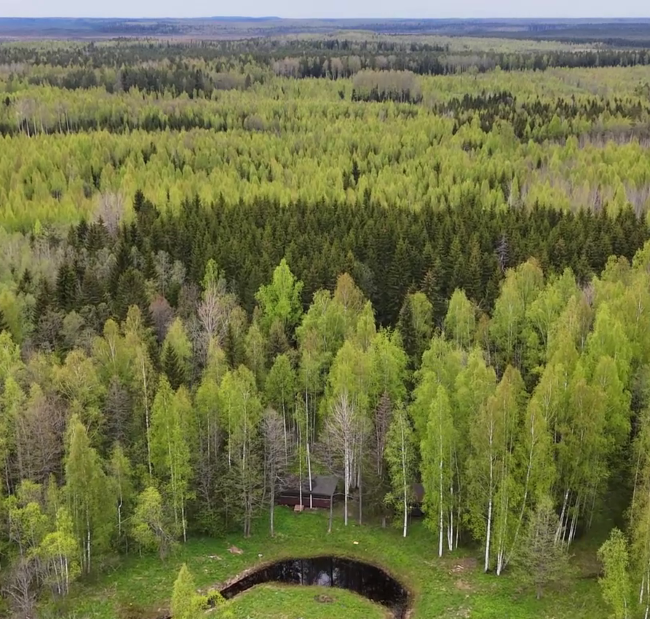
Our most direct investment in habitat protection is the Alutaguse Bear Forest Project in northeastern Estonia.
Since 2017, we have gradually acquired forest properties with the aim of protecting valuable wildlife habitats and allowing forests to develop naturally.
Today, the project covers 110 hectares across four properties. Our approach is simple: no logging and no hunting. We want these forests to remain places where wildlife can live and natural processes can continue with as little human intervention as possible.
Supporting Wildlife Research Projects
Read More
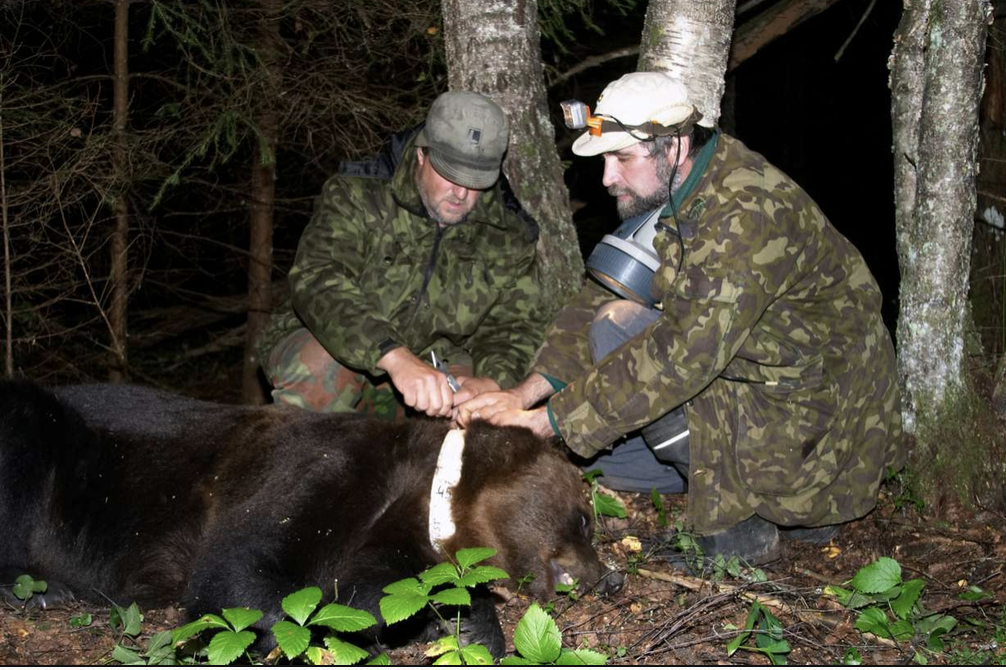
Understanding wildlife is essential for its effective conservation. NaTourEst has supported research initiatives that help improve knowledge of Estonia’s large mammals and their habitats.
Our contributions have included support for brown bear GPS collar research, helping researchers better understand bear movements, habitat use and behaviour.
We have also organised fundraising and contributed our own resources to wildlife research. We believe that reliable scientific knowledge is an essential foundation for responsible wildlife management and long-term conservation.
National-Level Conservation of Estonia’s Large Carnivores
Read More
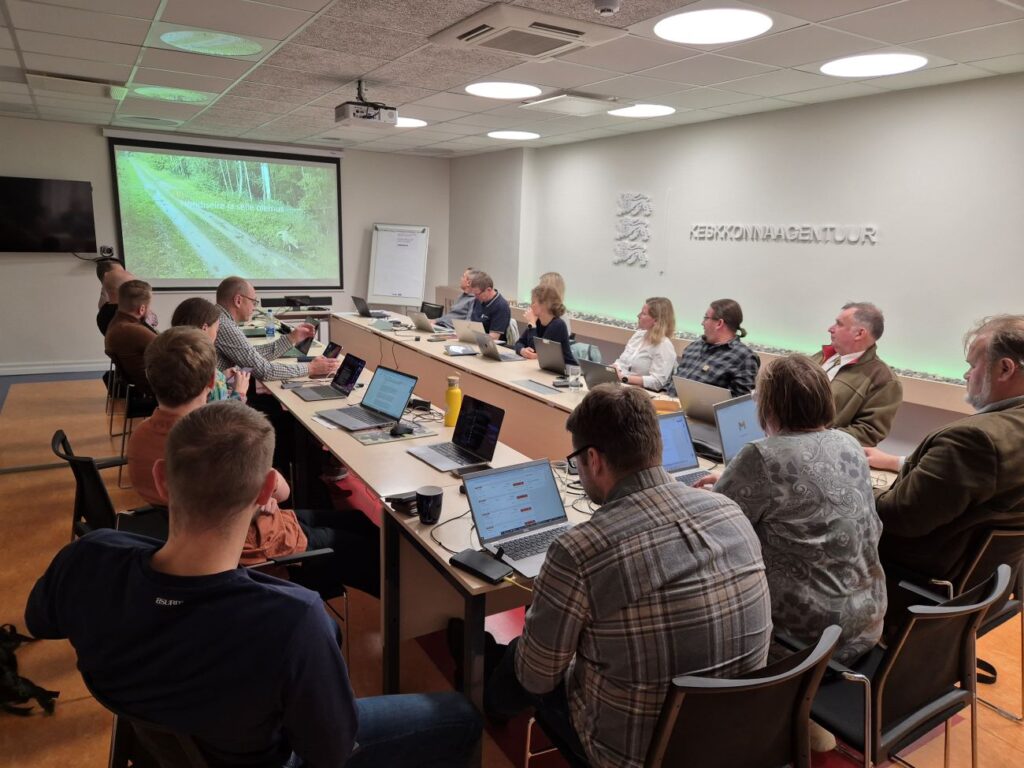
NaTourEst has been involved in discussions and cooperation concerning the conservation and management of Estonia’s large carnivores.
As a member of the Large Carnivore Roundtable, we participate in discussions involving the conservation and management of bears, wolves and lynx in Estonia.
We believe wildlife management should be based on reliable scientific information, a precautionary approach and a long-term perspective.
Lynx Conservation – A Voice for Responsible Management
Read More
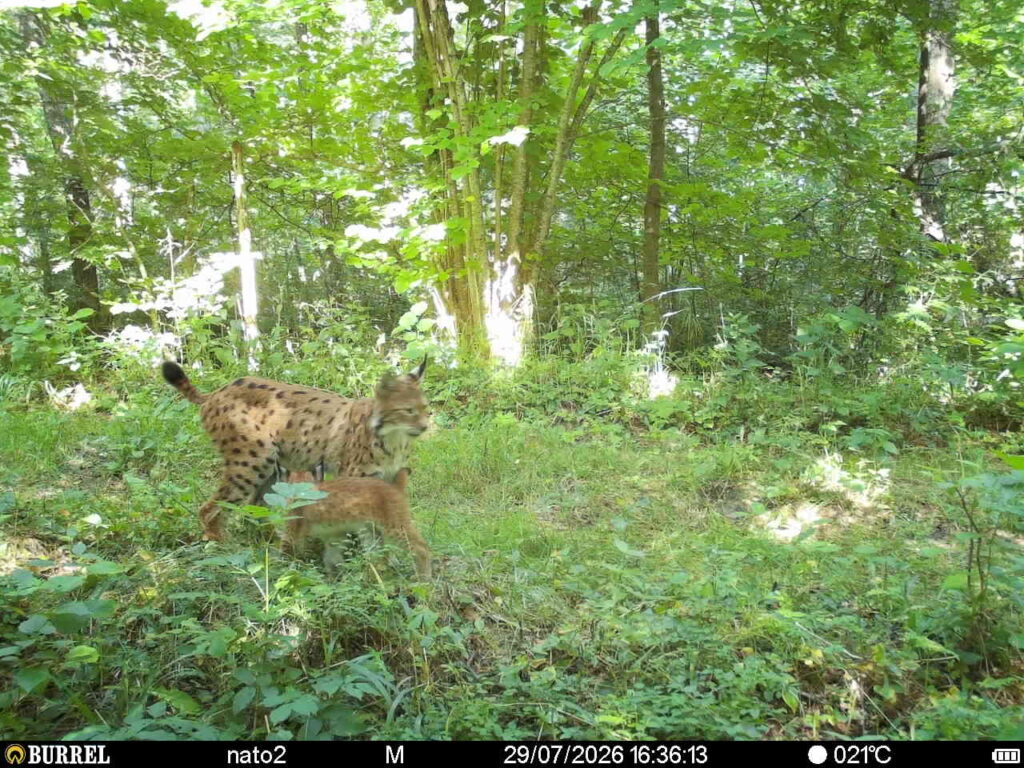
The conservation of the Eurasian lynx is an important example of our involvement in national conservation discussions.
Through the Estonian Nature Tourism Association, we have supported a position calling for the protection of the lynx and questioning the need to resume hunting in light of the species’ conservation status and available monitoring data.
We believe that when scientific information indicates vulnerability or uncertainty, conservation should take priority over hunting. Our position is that Estonia’s lynx population deserves careful protection and continued monitoring rather than unnecessary hunting pressure.
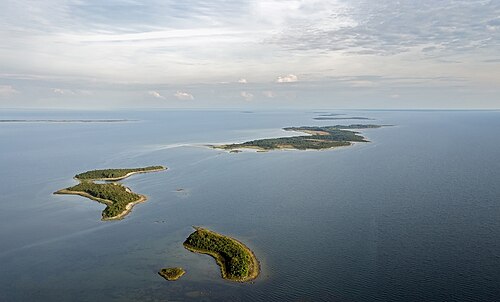
Conservation Work on the Islands of Hiiumaa
Read More
Since 2002, members of our team have participated in annual conservation work camps on the small islands of Hiiumaa, including Saarnaki, Hanikatsi and Kõrgelaid, helping maintain valuable coastal meadows and other semi-natural habitats.
For approximately 15 years, we also managed Kõrgelaid, working to preserve its traditional landscapes.
Today, we continue supporting conservation efforts on the islands through trail and camping area maintenance and occasional habitat management work.
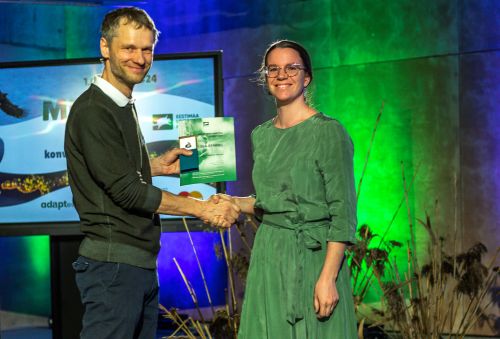
Young Nature Conservationist Award
Read More
For many years, NaTourEst has supported the Estonian Fund for Nature’s annual Young Nature Conservationist Award through financial contributions.
Over the years, the Young Nature Conservationist Award has recognised several young people who were already making a meaningful contribution to nature conservation in Estonia.
Many former award recipients have since become influential figures and key contributors to Estonian nature conservation. It is particularly rewarding that, over the years, we have had the opportunity to work alongside some of them in conservation projects and initiatives.
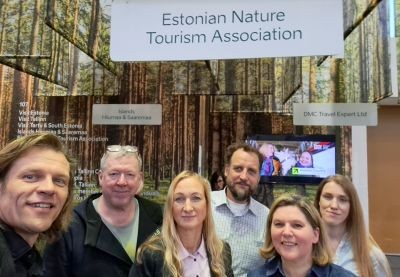
Founding of the Estonian Nature Tourism Association
Read More
NaTourEst was among the founding members of the Estonian Nature Tourism Association (ELTÜ), established to bring together nature tourism professionals and strengthen the representation of this sector in Estonia.
Since its establishment, the association has developed into an important voice for nature tourism, representing the interests of its members and contributing to discussions and cooperation at various levels.
NaTourEst continues to be actively involved in the association’s work, with Bert Rähni serving on its board and contributing to the development and representation of responsible nature tourism in Estonia.
Nature Tourism – A Positive Force for Nature and Rural Communities
In Estonia, nature tourism has the potential to create significantly more economic value while preserving the natural landscapes and wildlife that make our country special.
Unlike many traditional economic activities based on the extraction of natural resources, such as clear-cut forestry, peat extraction or land conversion, wildlife tourism depends on keeping nature alive and accessible. Forests, wetlands, wildlife and natural landscapes are not consumed in the process – they remain valuable assets for future generations.
We do not believe rural economies should depend on a single sector. Forestry, agriculture, tourism and other activities all have their place. However, nature tourism offers an important opportunity to diversify rural livelihoods and create jobs through the appreciation and preservation of nature.
Whenever possible and practical, we use local services and work with people living in rural areas. We stay in small, family-run accommodation in and around national parks, eat at local restaurants and work with guides who often live in the countryside themselves.
In this way, tourism spending directly supports local livelihoods and helps create economic value from landscapes and wildlife that communities have an interest in preserving.
We continuously seek to minimise the environmental impact of our activities. We aim to disturb wildlife as little as possible, use reusable tableware and drinking bottles, make sensible transport choices and avoid unnecessary waste.
Our goal is to ensure that experiencing wildlife does not come at the expense of the animals or habitats we visit.
Over many years, we have seen how cooperation with local partners can gradually influence attitudes and everyday practices. Many of our partners have become increasingly environmentally conscious and more aware of the value of wildlife and natural habitats.
This is one of the most rewarding outcomes of our work.
Climate Responsibility – A Practical Approach
Estonia is located on the northern edge of Europe, far from many of the main travel centres of the continent. For most visitors coming to Estonia for a week-long wildlife holiday, flying remains the most practical way to reach us.
We welcome and encourage more environmentally friendly travel options whenever they are realistic. Travelling by ferry, road or rail can be a rewarding alternative for some visitors, and an increasing number of people arrive in Estonia with their own campervans and cars. However, these options are not yet practical for everyone.
We understand that flying is often the only realistic option for visitors travelling to Estonia from further away. We don’t want people to feel that they should give up the opportunity to experience Estonia’s wild nature because of the distance they need to travel. Instead, we encourage everyone to make responsible choices wherever possible and to consider the positive contribution their visit can make to nature conservation and local communities.
Our Alutaguse Bear Forest Project protects 110 hectares of forest. By allowing these forests to develop naturally, we protect wildlife habitats, biodiversity and the carbon stored in forest ecosystems.
We do not claim that protecting our forest alone solves the climate impact of international travel. Rather, we see it as one meaningful contribution to nature conservation and the preservation of natural carbon stores.
We believe in taking responsibility, not in guilt. We welcome visitors who want to experience Estonia’s wild nature and contribute to its preservation.
Read more about the Bear Forest Project and CO₂ calculations
Your Wildlife Journey Can Make a Difference
When you travel to us to experience wildlife, you do more than simply visit a destination. Your interest in wildlife and the money you spend on nature tourism help create economic value from living nature and intact landscapes. You support local people and rural businesses whose livelihoods can benefit from keeping nature healthy and protected.
We in NaTourEst believe Estonia’s wild nature is one of its greatest assets. By protecting habitats, supporting research, working with local communities and developing responsible wildlife tourism, we want to contribute to a future where nature remains alive, valued and protected. Conservation is not a single project or a short-term commitment. It is a responsibility we intend to carry forward.
Your journey can help protect the very nature that brought you here.